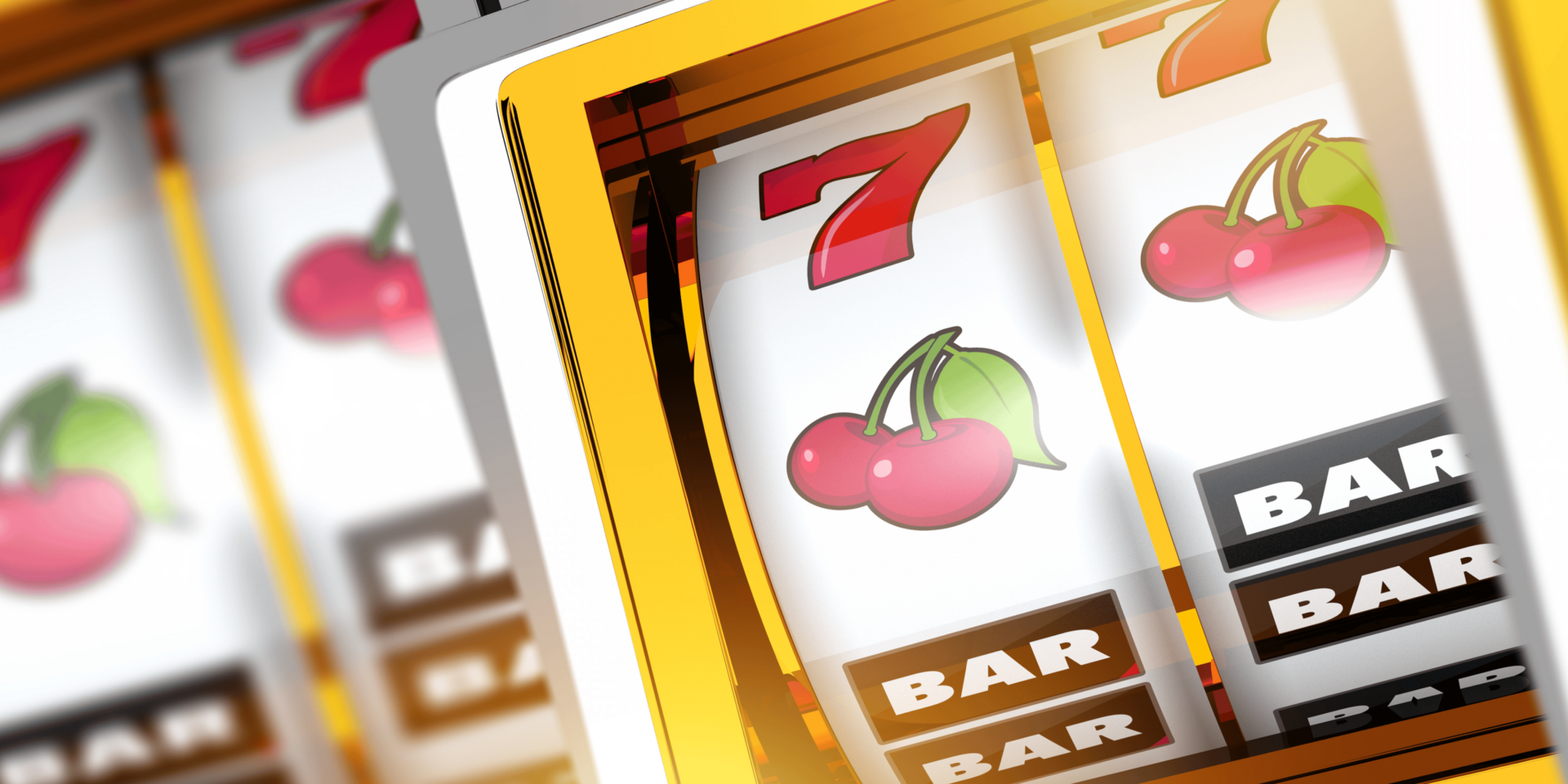
Algorithms Control the Outcome Behind Every Spin
Casino games may look random, but algorithms decide what happens behind the scenes. These systems determine outcomes, manage timing, and control the structure of wins and losses. Each spin follows rules coded into the platform, not pure chance.
The system doesn’t choose results based on the player’s behavior or mood—it follows logic built into the Random Number Generator (RNG). This technology ensures unpredictability, but that unpredictability still falls within strict limits defined by the game’s design.
Random Number Generators Create the Illusion of Chance
At the center of every spin is a Random Number Generator. The RNG constantly produces number sequences that the system converts into outcomes on the screen. Each spin pulls from the latest number, giving the impression of randomness.
However, the RNG is not truly random. It’s algorithmically generated, meaning it follows patterns built into code. Players believe each spin stands alone, but the system’s controlled design defines the possibilities, frequency, and size of potential wins.
RTP Sets Long-Term Expectations for Payouts
Every online slot game includes a value called Return to Player (RTP). This percentage reflects how much money the game returns to players over time. A game with a 96% RTP returns $96 for every $100 wagered—on average, over thousands of spins.
While RTP gives a general idea of value, it doesn’t guarantee short-term success. A player may lose quickly or hit a big win early, but the algorithm ensures that, over time, the game will meet its preset return percentage. This protects the casino’s margins while managing player expectations.
Volatility Influences Game Feel and Risk
Games vary in volatility, which affects how often players win and how large the wins are. High-volatility games deliver fewer wins but larger payouts, while low-volatility games offer frequent small wins.
The code determines this risk pattern. It decides how long a losing streak lasts or when a bonus round appears. Players may feel like luck controls the flow, but the algorithm carefully balances the frequency and type of rewards across thousands of spins.
A Realistic Scenario: Predictable Outcomes Masked as Random
A player opens a slot game that advertises a 97% RTP and high volatility. The first few spins offer minor wins. The screen flashes. Music plays. Bonus features activate after some time. The player keeps spinning, feeling that a big win is just around the corner.
Hours pass, and the player notices the balance slowly draining. Despite the occasional reward, the overall trend moves down. The game performs exactly as designed—entertaining the player long enough to meet the return target coded into its structure.
Bonus Rounds Are Scheduled, Not Random
Bonus features feel spontaneous, but the algorithm schedules them. Behind the animation and sounds, the system tracks how often bonuses trigger. These events are not rewards for behavior—they’re outcomes from preset parameters.
Players often believe that switching games or increasing bets improves bonus chances. The truth is that bonuses activate according to probability thresholds written into the code. These triggers happen regardless of the player’s actions, as long as the play conditions meet the required patterns.
Player Behavior Is Logged to Optimize Engagement
Many modern casino platforms use algorithms to track user behavior. They analyze how long players stay, what games they choose, and how often they return. This data feeds into recommendation systems that suggest specific games or bonus offers.
While this data doesn’t directly control spin results, it shapes the player’s environment. By learning habits, the platform fine-tunes its design to increase playtime. The goal is to create a personalized experience that keeps players engaged without changing the odds.
Payout Tables Guide Expectations Without Guarantee
Each game includes a payout table that shows what each symbol combination offers. These tables give the illusion of clarity, but they don’t reflect how often those combinations actually occur.
The algorithm determines how frequently these high-paying symbols appear. A large payout may exist on the table, but the game may trigger it once every hundred thousand spins. This disconnect between displayed value and actual occurrence often confuses players who expect frequent wins.
The Illusion of Near Wins Sustains Interest
Algorithms often produce near wins—results that look close to success but offer no payout. These events mimic the feeling of just missing a jackpot, triggering an emotional response that encourages continued play.
The game uses these near hits to increase tension and build engagement. While the spin technically results in a loss, the system presents it as progress. This illusion drives the player to keep spinning, believing a win is imminent.
Losses Are Distributed to Protect Casino Margins
The algorithm doesn’t just distribute wins; it manages losses to ensure profitability. Every feature—from payout odds to bonus triggers—is structured to return a consistent margin to the casino over time.
This means the system allows wins in specific amounts and intervals but ensures that, over thousands of spins, the casino retains more than it pays out. The balance of risk and reward is never accidental—it’s engineered.
Understanding Code Reduces Risky Play
Recognizing the role of algorithms in casino games changes how players view risk. When users know that outcomes are fixed within a coded range, they can stop chasing patterns or expecting streaks. Each spin remains isolated and unaffected by previous actions.
This knowledge shifts the goal from chasing big wins to managing time and budget. Understanding the system doesn’t remove the appeal, but it helps prevent false assumptions that lead to overextended sessions or emotional play.
Behind Every Spin Is a Line of Code
Casino games aren’t driven by chance—they’re powered by algorithms. Every spin, bonus, and payout follows code that protects the house and sustains engagement. While games look random, they function within strict rules built into their design.
Knowing how these systems work gives players a clear view of what’s happening. It removes the illusion of control and replaces it with informed decisions. In the world of algorithmic allure, the code always wins unless the player chooses to step away.